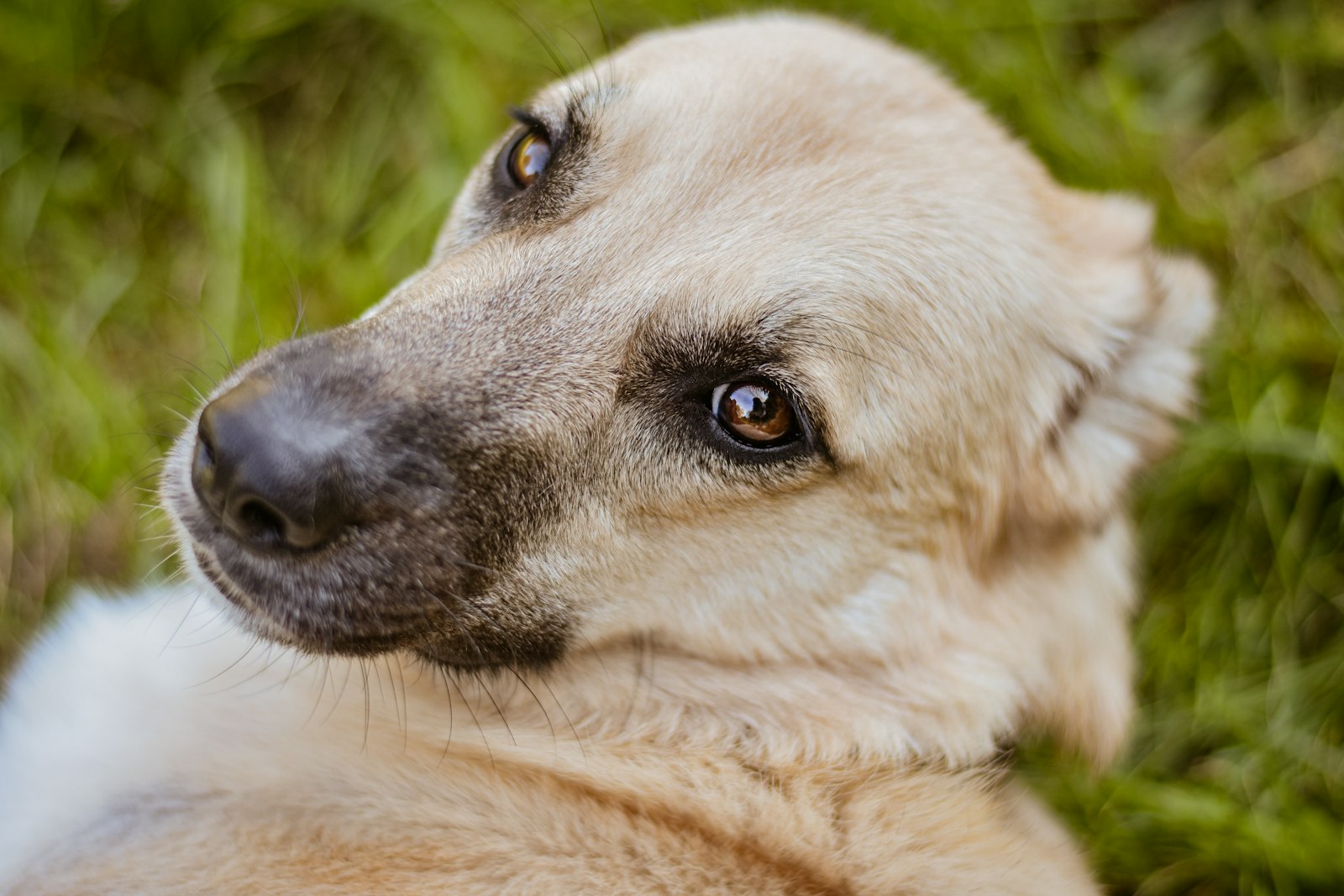
If you are searching for dog grooming in Petaluma, it helps to think about grooming as preventive care, not just baths and haircuts. Regular grooming can catch small problems early, before they turn into matting, irritated skin, long nails, or a stressful appointment your dog dreads.
Most grooming trouble builds slowly. A little tangling behind the ears can turn into tight mats. Nails creep past a comfortable length. Mild skin irritation leads to more licking, scratching, or sensitivity during brushing. By the time many owners book help, the issue is no longer cosmetic. The dog is uncomfortable, and the grooming visit often takes more time and more patience than it would have a few weeks earlier.
That is why prevention matters. In Petaluma, dogs often deal with damp winter weather, dry stretches in warmer months, and plenty of outdoor time around grass, trails, and parks. Coat and skin issues can sneak up faster than people expect when grooming gets pushed aside for too long.
Signs your dog may need grooming sooner, not later
Dogs rarely go from fine to unmanageable overnight. There are usually early signs, but they are easy to miss when life gets busy.
You might notice brushing takes longer than usual. The coat may feel rough, clumpy, or uneven near the collar, chest, tail, or back legs. Your dog may pull away when you touch one spot. You may hear nails clicking on hard floors more often. Ears may seem waxier than usual, or paws may stay damp, dirty, or a little smelly after walks.
None of these changes sound dramatic on their own. Together, they often mean your dog is overdue for grooming attention.
Long-coated dogs are not the only ones at risk. Double-coated breeds, curly coats, mixed coats, and dogs with feathering can all hide tangles and packed undercoat. Short-coated dogs may avoid matting, but they can still have trouble with shedding buildup, dirty ears, irritated skin, or nails that have quietly gotten too long.
A helpful shift in mindset is simple: do not wait for the coat to look bad. Pay attention when it becomes harder to maintain.
Why prevention makes grooming easier on dogs
Regular grooming is usually much easier on a dog than catch-up grooming after weeks or months of buildup. When the coat is still in manageable shape, brushing and drying are simpler. Nail trims are quicker. Sensitive areas need less corrective work. The appointment is often calmer from start to finish.
That matters because dogs remember stressful handling. If grooming only happens when they are matted, sore, or overwhelmed, they can start to brace for the whole experience. Prevention helps protect not just the coat, but the dog’s comfort level with grooming itself.
This is especially important for puppies, seniors, and dogs that are already sensitive about being touched. A dog does not need to enjoy every part of grooming, but it helps a lot when the process feels familiar instead of intense.
How Petaluma weather and outdoor life can affect the coat
Petaluma is a great place to have an active dog, but local conditions can make coat problems easier to overlook. During wetter stretches, dogs may stay damp longer after walks, yard time, or muddy outings. Moisture trapped in a dense coat or between paw pads can contribute to odor, tangles, and skin irritation if it keeps happening without enough drying and brushing.
During drier periods, dust, loose undercoat, and seasonal shedding can create a different set of problems. Dogs that spend a lot of time outside can pick up debris, burrs, and grime even on ordinary walks.
That does not mean dogs in Petaluma need constant grooming. It means their grooming needs often change with the season, their coat type, and how much time they spend outdoors.
Body areas where problems often start
You do not need to inspect every inch of your dog every day, but a few spots are worth checking regularly because they tend to develop trouble first.
- Behind the ears, where soft hair can knot quickly
- The chest and front legs, especially where a harness rubs
- The rear end and tail area, where debris can collect
- Paw pads, which can trap moisture, dirt, and overgrown hair
- Sanitary areas, which often need more upkeep than owners expect
Ears and nails also deserve regular attention. Dogs with floppy ears or recurring moisture can run into ear trouble when cleaning and grooming are delayed too long. Nails are another easy problem to underestimate because they grow gradually. Many owners get used to the look of overgrown nails before realizing their dog has already been uncomfortable for a while.
If your dog resists being touched in one specific area, do not write it off too quickly. Sometimes that is the first sign that something is pulling, sore, or irritating.
When home grooming is enough, and when it is not
Some owners can handle much of their dog’s grooming at home, at least between appointments. That usually works best when the coat is manageable and the dog tolerates brushing, paw handling, nail trims, and ear care reasonably well.
At-home care can help with light maintenance, including brushing, wiping paws, checking for debris, and keeping an eye on nail length. Those habits can make a real difference.
But home care often falls short when mats start forming close to the skin, shedding is packed deep in the coat, nails are hard to trim safely, or the dog strongly resists handling. At that point, professional grooming is less of an extra and more of a practical way to keep the dog comfortable.
There is no shame in needing help. A good owner is not the one who does everything personally. A good owner is the one who notices when the dog needs support before the problem gets worse.
What to ask a groomer if your goal is prevention
If you want to stay ahead of matting, skin trouble, and stressful catch-up visits, it helps to choose a groomer who thinks in terms of maintenance, not just appearance.
Some useful questions to ask include:
- How do you handle mild matting or sensitive skin?
- What schedule do you usually recommend for this coat type?
- What simple upkeep should I do between visits?
- Do you offer smaller maintenance services like nail trims or bath-and-brush appointments?
- How do you work with puppies, seniors, or nervous dogs?
You do not need a perfect script. What matters is finding someone who communicates clearly, explains what they are seeing, and gives realistic advice about upkeep.
Prevention can also help control grooming costs
Dog grooming is recurring care, so cost matters for most owners. Prevention can help here too. A dog whose coat stays in decent condition between visits is usually easier to groom than a dog who comes in badly tangled, heavily impacted with undercoat, or needing major cleanup.
The exact price will vary by dog and service, but many owners find that steady maintenance is easier to manage than infrequent appointments that turn into bigger correction jobs. Not every dog needs a full groom on the same schedule. Some do well with a mix of bath-and-brush visits, nail trims, and occasional larger appointments.
The main goal is to avoid the cycle where waiting too long creates bigger problems, and bigger problems make every appointment harder on the dog and more expensive for the owner.
The best time to act is usually earlier than you think
Many owners wait until they are sure their dog needs grooming. Usually, the better choice is to act when routine care starts feeling harder than usual.
If brushing is no longer easy, if the coat feels uneven, if the dog starts smelling off sooner than expected, if the ears or paws stay messy, or if your dog becomes touchy about normal handling, those are all good reasons to schedule grooming support.
You do not need to wait for a dramatic problem. The real value of dog grooming in Petaluma is not only a tidy appearance. It is comfort, healthier skin and coat, easier maintenance, and a less stressful experience for your dog.
For many dogs, prevention is the difference between grooming feeling like normal care and grooming feeling like a difficult reset. Catching problems early usually means a more comfortable dog, easier appointments, and fewer small issues turning into bigger ones.